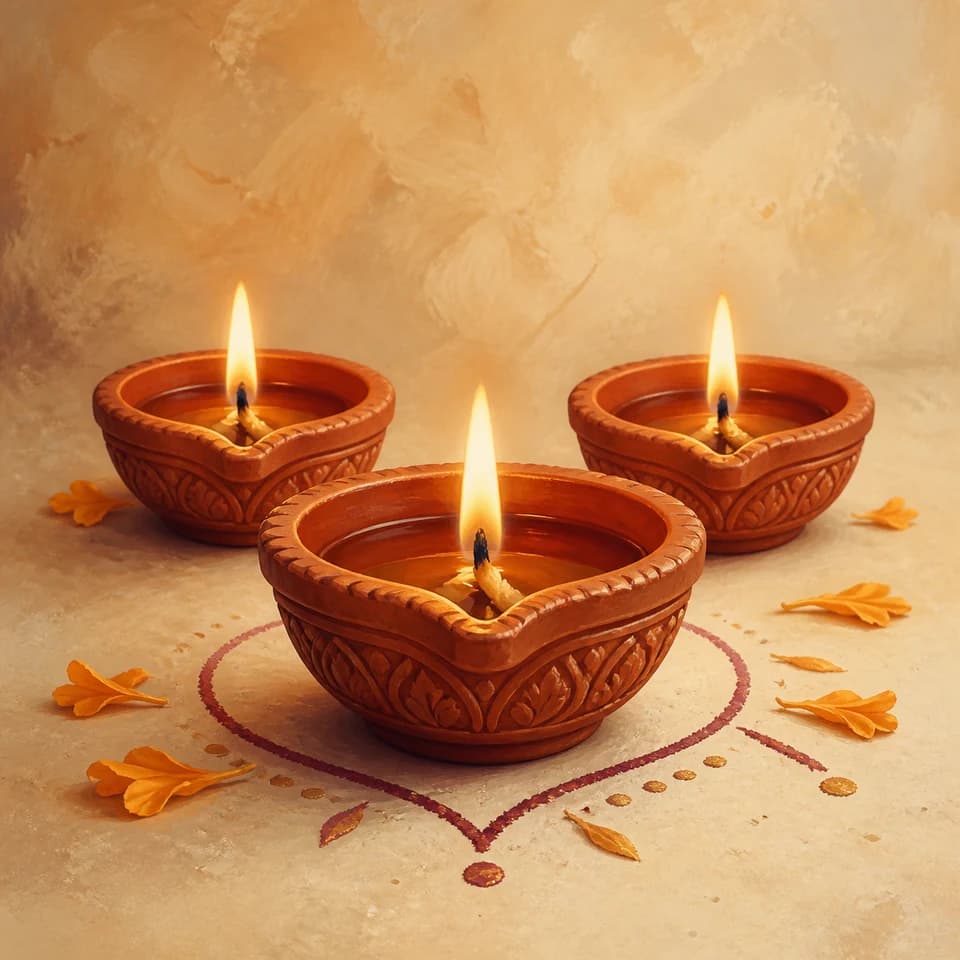
Diwali - Mahavir Nirvana as it was kept in 1972.
Next date: 29 October 2027Diwali - Mahavir Nirvana 1972
Sunday, 5 November 1972, in Ahmedabad
FestivalJain · Svetambar
Panchang on the day
5
Sunday
New Moon
until 06:51 next day
Libra
- રRa
- તTa
Puja time
18:00 to 20:24
At dusk, IST
- Sunrise
- 06:45
- Sunset
- 18:00
- Moonrise
- 06:01
- Nakshatra
- Swati
- until 06:20 next day
- Yoga
- Ayushman
- until 05:54 next day
- Karana
- Chatushpada
- until 17:40
- Rahu Kalam 16:36 to 18:00
- Yamaganda 12:23 to 13:47
- Abhijit muhurat 12:00 to 12:45
Why this date
Aso New Moon, taken at dusk
Runs from 5 Nov 04:32 IST to 6 Nov 06:51 IST.
In short
For Jains, Diwali carries a profound spiritual meaning as the remembrance of Lord Mahavira's nirvana. Jain tradition holds that Mahavira, the twenty-fourth Tirthankara of the present era, attained final liberation at Pavapuri after completing his teaching life.
The story
For Jains, Diwali marks the nirvana of Mahavira, the twenty-fourth Tirthankara of the present time cycle. Jain tradition places his final teaching period at Pavapuri in Bihar. At the end of his life he attained liberation from karmic bondage, no longer returning to the cycle of birth and death. His disciples and devotees faced the loss of the embodied teacher, and lamps came to symbolize keeping the light of right knowledge alive after his passing.
The occasion has a different central story from many Hindu Diwali traditions. Jain devotion turns toward ahimsa, restraint, non-attachment, right faith, right knowledge and right conduct. Some Jain communities especially remember Gautama Ganadhara's attainment of kevala jnana following Mahavira's liberation, and the next day begins the new year for many Shvetambara families. The details of rites and historical chronology differ across Jain sects and texts, so the narrative should respect these distinctions.
Followers visit temples, recite prayers, study Mahavira's teachings, give charity and seek forgiveness for harm. Lamps express insight rather than permission for noisy or harmful celebration. Aso Amavasya is the traditional date in Gujarat; dusk selection and the relation to the next Jain new-year day require checking against sect-specific calendars.
Why it matters
Diwali - Mahavir Nirvana is significant to the community that observes it and helps preserve religious, family and cultural continuity.
What people do
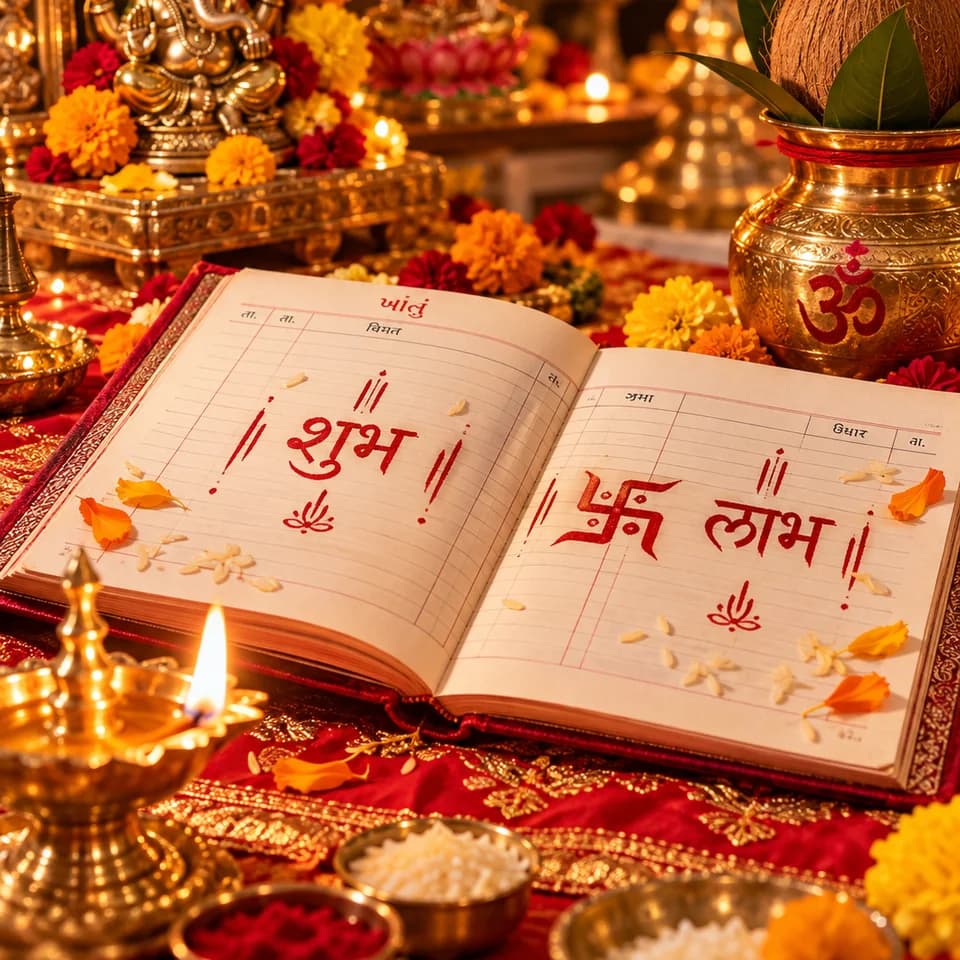
The night is kept with fasting and with the recitation that runs to the moment of the nirvana. Chopda pujan is done in Jain houses too, with Shri Gautam Swami's name written at the top of the new book. The next morning is Nutan Varsh, and Gautam Swami's raas is sung.
Told differently elsewhere
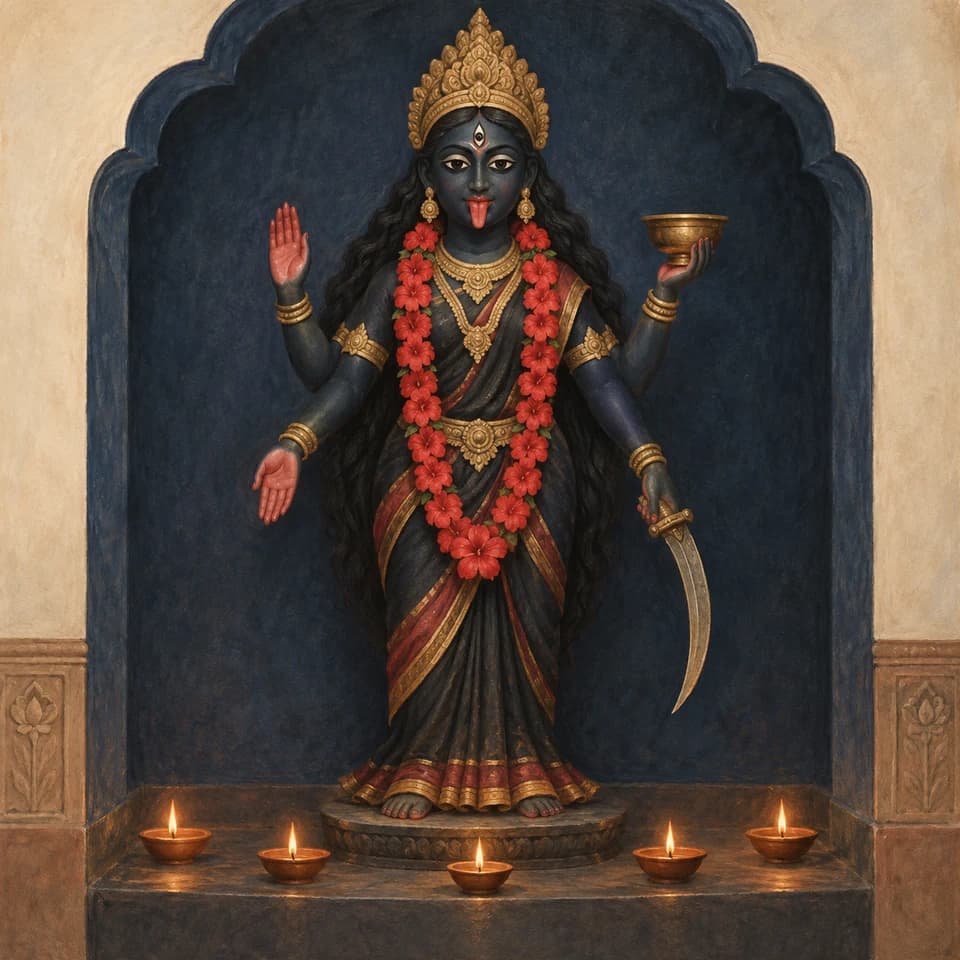
The same new moon on which Hindus invite Lakshmi and Bengal worships Kali, kept for an entirely different reason. Jain households in Gujarat and Rajasthan often keep both observances in the same house, and the Jain accounting year opens the following morning as the Gujarati one does.
Questions people ask
- When is Diwali - Mahavir Nirvana in 1972?
- On Sunday, 5 November 1972 in India. Runs from 5 Nov 04:32 IST to 6 Nov 06:51 IST.
- Why does the date change every year?
- It is kept by the lunar calendar, so its day on the civil calendar moves from year to year.
- Is the date the same everywhere?
- Yes. It is kept everywhere on the day it falls on in India.