Nirjala Ekadashi as it was kept in 2001.
Next date: 14 June 2027Nirjala Ekadashi 2001
Saturday, 2 June 2001, in Ahmedabad
EkadashiGujarati · Hindu
Bhimseni Ekadashi · Pandava Ekadashi
Panchang on the day
2
Saturday
Waxing Eleventh
until 09:18
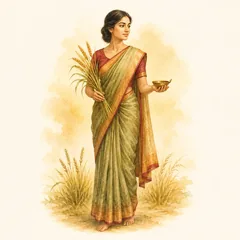
Virgo
- પPa
- ઠTha
- ણNa
- Sunrise
- 05:52
- Sunset
- 19:22
- Moonrise
- 15:55
- Nakshatra
- Chitra
- until 21:23
- Yoga
- Vyatipata
- until 07:44
- Karana
- Vishti
- until 09:18
- Rahu Kalam 09:15 to 10:56
- Yamaganda 14:19 to 16:00
- Abhijit muhurat 12:10 to 13:04
Why this date
Jeth Waxing Eleventh, taken at sunrise
Runs from 1 Jun 10:48 IST to 2 Jun 09:18 IST.
In short
Nirjala Ekadashi falls on the eleventh day of the bright half of Jyeshtha. It is also known as Bhimseni or Pandava Ekadashi. Its familiar story is a conversation between Bhima and Vyasa.
The story
Once Yudhishthira asked Krishna about the Ekadashi in the bright half of Jyeshtha. He wanted to know which vow was observed that day and how to keep it. Krishna directed him to Vyasa, who was there with them. He said that Vyasa, who knew the Vedas and scriptures, would explain the importance of this vow.
Yudhishthira asked Vyasa about the practices of devotion to Vishnu. Vyasa spoke of observing Ekadashi in both halves of every month. He explained that one should practise restraint on Ekadashi, worship Vishnu, and eat on Dwadashi after worship and charity.
Bhima grew uneasy as he listened. He approached Vyasa, bowed and explained his difficulty. Yudhishthira, Arjuna, Nakula, Sahadeva, their mother Kunti and Draupadi did not eat on Ekadashi. They urged Bhima to fast with them. But going hungry for an entire day was very difficult for him.
Bhima said that he was willing to worship Vishnu and give charity, but he could not bear hunger. Vyasa again explained the importance of both Ekadashis. Bhima then spoke more openly. He said that a fire called Vrika constantly burned in his stomach. It settled only when he ate repeatedly. Even eating just once a day was difficult for him; how could he manage a whole fast every fortnight?
He asked Vyasa to name a single day whose vow he could keep with full faith and gain the merit of the year's Ekadashis.
Vyasa pointed to the Ekadashi in the bright half of Jyeshtha. He said that this vow was observed without food or water. It was a demanding commitment from sunrise on Ekadashi until sunrise the next day. During the vow, he instructed Bhima to remember Vishnu, worship him and chant his name.
Vyasa went on to describe its reward. According to the story, faithfully observing this one Nirjala Ekadashi brings the merit of all the Ekadashis of the year. He said that the fearsome messengers of Yama would not come for such a devotee at the end of life. Instead, Vishnu's messengers, dressed in yellow and carrying discus weapons, would take the devotee to Vishnu's abode.
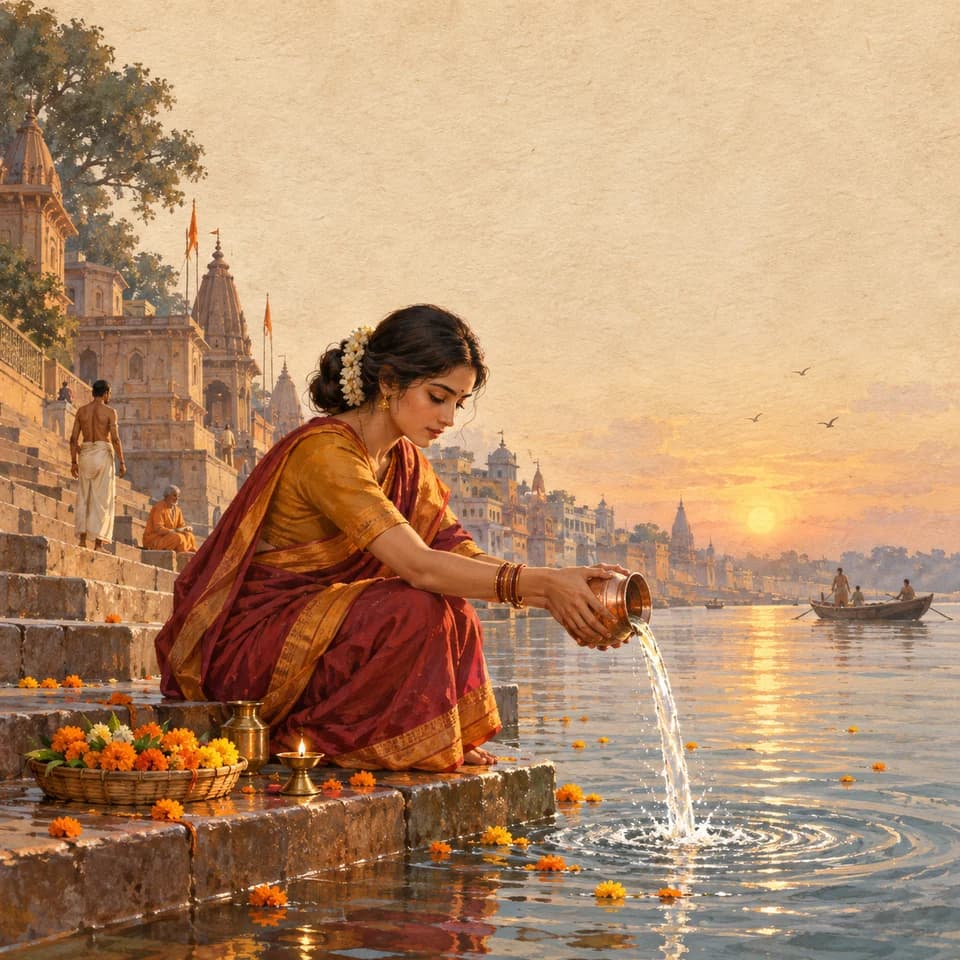
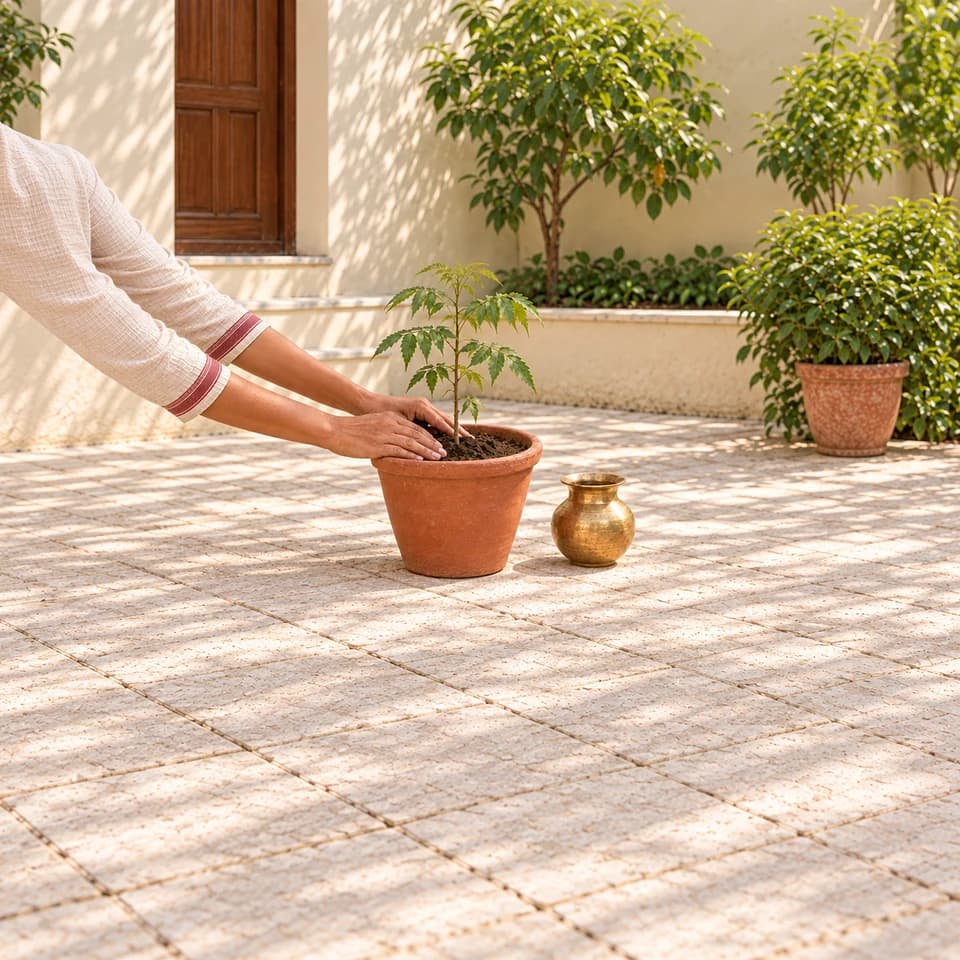
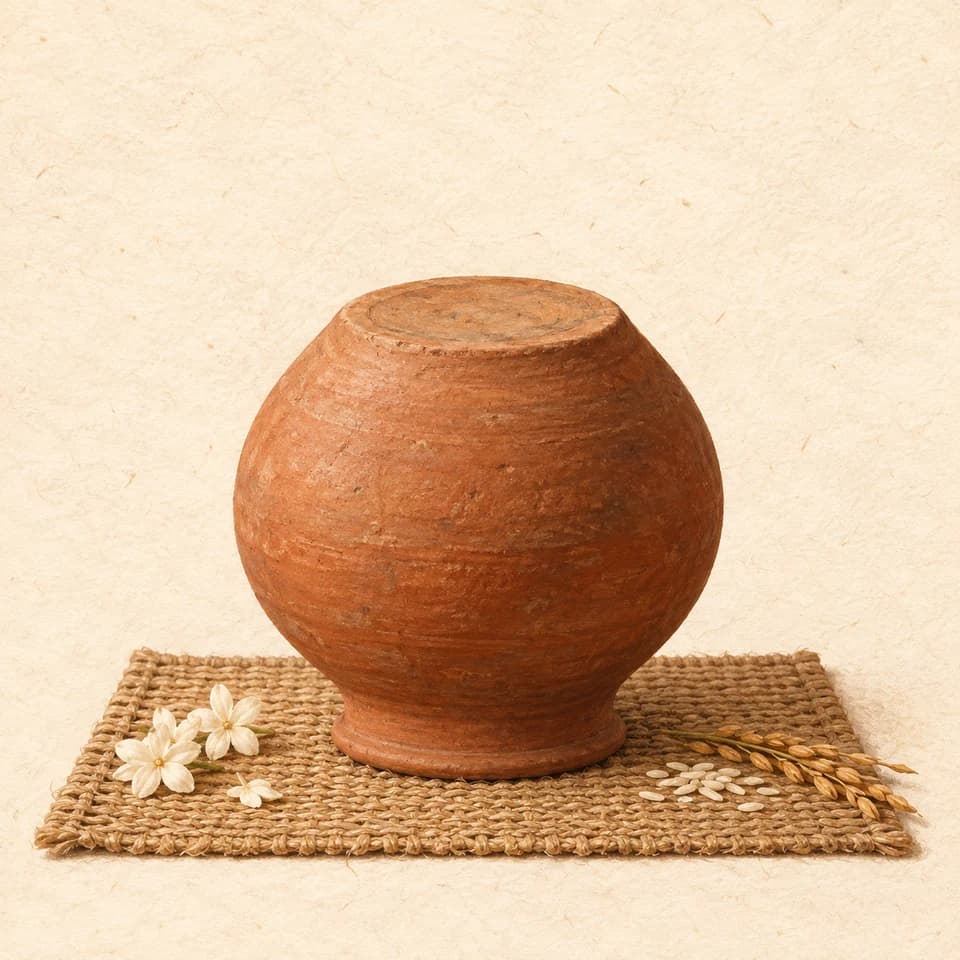
Vyasa then explained Dwadashi. After bathing and worship, one should donate water pots and give according to one's means, feed Brahmins, and then break the fast. He also spoke of making the vow with faith, worshipping Vishnu, chanting his name and keeping a night vigil. The observance ended with worship, charity and feeding others.
Bhima accepted Vyasa's guidance. The story says that from then on he observed this Ekadashi. Because of this connection with Bhima, the eleventh day of the bright half of Jyeshtha became known as Bhimseni Ekadashi. Pandava Ekadashi and Nirjala Ekadashi are other familiar names for the same vow.
Why it matters
Bhima's story describes honestly accepting one's limits and seeking guidance. The promised merit of this Ekadashi belongs to religious belief. Remembering God, restraint and charity are central to its worship.
What people do
Homes and temples hold Vishnu worship, chant his name and read the story. Donating water pots, drinking water, food and essential items is also customary. The details of worship and charity vary between families and traditions.
Fasting
The traditional Nirjala vow excludes food and water. Going without water, especially in hot weather, can cause serious dehydration. Do not put your health at risk to follow this practice; seek medical advice when needed and choose a safe form of observance. Worship and charity are also possible.
For breaking the fast, consult the Dwadashi timings for your location and tradition. The story's reference to sunrise does not mean that everyone should break the fast at the same clock time everywhere.
Told differently elsewhere
Some versions of the account allow a little water for ritual sipping, or achamana, while some traditions prescribe a completely waterless observance. Local Smarta and Vaishnava calculations can also give different fasting and fast-breaking days or times.
Questions people ask
- When is Nirjala Ekadashi in 2001?
- On Saturday, 2 June 2001 in India. Runs from 1 Jun 10:48 IST to 2 Jun 09:18 IST.
- Why does the date change every year?
- It is kept by the lunar calendar, so its day on the civil calendar moves from year to year.
- Is the date the same everywhere?
- Usually. Where sunrise falls at a different moment the day can differ by one, and the dates here are worked out for India.
Dates in the coming years
- 2027Monday, 14 JuneJeth Sud 11
- 2028Saturday, 3 JuneJeth Sud 11
- 2029Friday, 22 JuneJeth Sud 11
- 2030Wednesday, 12 JuneJeth Sud 11
- 2031Sunday, 1 JuneJeth Sud 11
Last kept25 June 2026