Pausha Putrada Ekadashi as it falls in 2082.
Next date: 19 January 2027Pausha Putrada Ekadashi 2082
Saturday, 10 January 2082, in Ahmedabad
EkadashiGujarati · Hindu
Panchang on the day
10
Saturday
Waxing Eleventh
until 03:46 next day
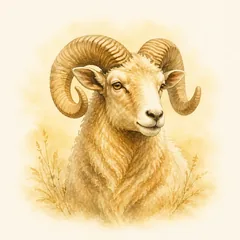
Aries
- અA
- લLa
- ઈEe
- Sunrise
- 07:21
- Sunset
- 18:13
- Moonrise
- 14:03
- Nakshatra
- Krittika
- until 07:19 next day
- Yoga
- Sadhya
- until 08:47
- Karana
- Vanija
- until 15:30
- Rahu Kalam 10:04 to 11:25
- Yamaganda 14:08 to 15:30
- Abhijit muhurat 12:25 to 13:08
Why this date
Posh Waxing Eleventh, taken at sunrise
Runs from 10 Jan 03:02 IST to 11 Jan 03:46 IST.
In short
Putrada Ekadashi is observed on the eleventh day of the bright half of Pausha. Its familiar story concerns King Suketuman and Queen Champaka of Bhadravati. Devotees worship Vishnu and pray for their family's well-being on this day.
The story
Yudhishthira asked Krishna the name of the Ekadashi in the bright half of Pausha and how its vow was observed. He also wanted to know which deity was worshipped that day. Krishna called it Putrada Ekadashi and explained that it was a day for worshipping Narayana. To describe its importance, he told the story of King Suketuman.
A king named Suketuman lived in the city of Bhadravati. His queen was named Champaka. The kingdom was prosperous, but the couple had no son. In keeping with the beliefs of their time, they worried about who would continue their lineage and perform the ancestral rites after them. The thought often made the king and queen unhappy.
Relatives, friends, ministers and royal wealth brought the king no joy. The same worry troubled him morning and night. In despair, he even thought of ending his life. But he abandoned that thought and decided to seek a way towards his own well-being.
One day he mounted a horse and went into a dense forest. The royal priest and others did not know he had left. Many kinds of trees grew there. He passed banyan, peepal, bael, date, jackfruit, ashoka and palasha trees. He saw deer, hares, wild buffaloes and other animals. In some places snakes emerged from anthills; elsewhere elephants moved in herds with their calves and females.
The king wandered through the forest, hearing the cries of jackals and owls. By noon he was tired, hungry and thirsty. His throat was dry. He wondered why he was so unhappy despite worshipping the gods, giving charity and caring for his people like his own children. With these thoughts, he continued deeper into the forest.
Then he saw a beautiful lake. Lotuses bloomed in it, and fish and other aquatic creatures lived there. Ducks, chakravakas and swans made the shore beautiful. Nearby he saw many hermitages of sages. The story says that his right eye and right hand twitched at that moment, which was regarded as a favourable sign.
Sages were chanting Vedic prayers by the shore. The king was glad to see them. He dismounted and approached them. With folded hands, he greeted each one and repeatedly bowed fully before them. The sages welcomed him with pleasure.
The king asked who they were and why they had gathered there. The sages identified themselves as the Vishvedevas. They had come to bathe. They said that Magha was approaching and that the day was Putrada Ekadashi. They associated this vow with the belief in receiving a son through Vishnu's grace.
Suketuman explained his concern. If the sages were pleased with him, he asked them to bless him with a son. They said that Putrada Ekadashi was that very day and advised him to observe the vow with faith. They instructed him to bathe and worship Vishnu, and blessed him that his wish would be fulfilled through the Lord's grace.
The king observed the vow that same day as the sages instructed. He broke his fast on Dwadashi, bowed to them again and again, and returned home. Afterwards, the queen conceived. In time she gave birth to a radiant son.
As time passed, the son grew up. His good deeds pleased his father, and he later became a king who cared for his people. In this way, the king's worry about his lineage and the future of his kingdom came to an end. Krishna told Yudhishthira this story to explain the importance of Putrada Ekadashi.
Why it matters
Suketuman's story is associated with the hope for children, seeking guidance amid worry and faith in God. It reflects the social belief of its period that a son would continue the lineage and ancestral rites. The connection between the vow and receiving a child belongs to the story's religious faith.
What people do
Devotees worship Vishnu, chant his name and read the vow story. They offer tulsi, flowers and a lamp. Some families pray for their children's happiness and the well-being of the household. Charity and sharing prasad follow one's means and tradition.
Fasting
Some devotees eat fruit, while others avoid grains. Fasting should follow one's health and family or religious tradition. The Dwadashi fast-breaking time is taken from the local calendar and the Smarta or Vaishnava practice one follows.
Told differently elsewhere
There are two Ekadashis called Putrada, one in Pausha and one in Shravana. The Pausha story of Suketuman and the Shravana story of King Mahijit are separate accounts. They should not be combined into one story. The month and local calendar determine the observance date.
Some familiar versions of Suketuman's story name the queen Shaibya. This entry follows the version naming her Champaka; details from the two versions have not been blended.
Questions people ask
- When is Pausha Putrada Ekadashi in 2082?
- On Saturday, 10 January 2082 in India. Runs from 10 Jan 03:02 IST to 11 Jan 03:46 IST.
- Why does the date change every year?
- It is kept by the lunar calendar, so its day on the civil calendar moves from year to year.
- Is the date the same everywhere?
- Usually. Where sunrise falls at a different moment the day can differ by one, and the dates here are worked out for India.