FestivalGujarati · Hindu
Bestu Varas
Next date
Tuesday, 10 November 2026
In short
Gujarati New Year, observed on Kartik Sud Ekam with greetings, temple visits and new beginnings.
The story
Bestu Varas is the Gujarati New Year, observed on Kartik Shukla Pratipada, immediately after Diwali. It marks the beginning of a new Vikram Samvat year in the Gujarati calendar and gives the Diwali season a distinct Gujarati rhythm: the old business and household year closes with Diwali, then a fresh year opens the next morning. Families wake early, wear festive clothes, visit temples and elders, exchange greetings of 'Saal Mubarak' and share sweets. In Vaishnava and Swaminarayan temples the day is especially associated with Annakut, where a large variety of foods is offered to the deity before being distributed as prasada. Businesses often treat the period as a ceremonial new beginning after Chopda Pujan. The day is less about a single mythological episode than about renewal—beginning the year with darshan, gratitude, good wishes, community ties and the hope that the coming Samvat will be peaceful and prosperous.
Retold from the Gujarati household practice
Why it matters
Bestu Varas is valued for devotion, family tradition and the spiritual or seasonal meaning attached to the day.
Retold from the Gujarati household practice
What people do
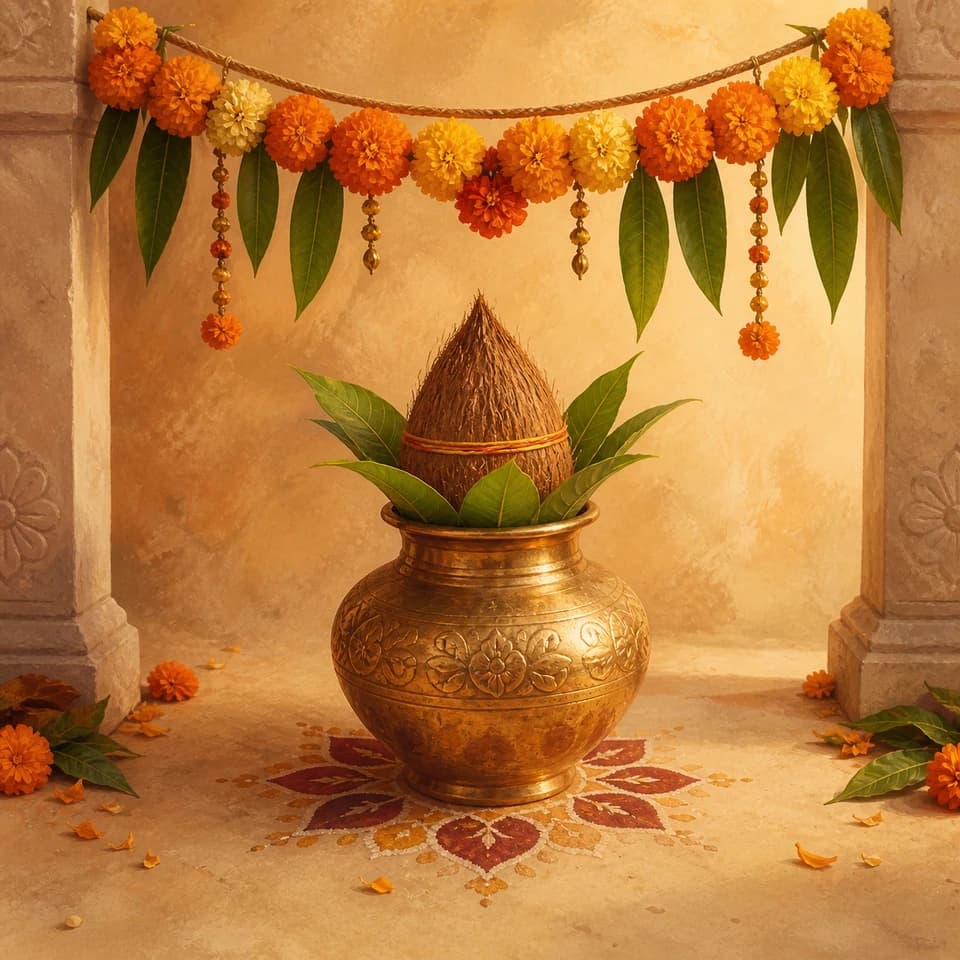
People go out early to greet each other - saal mubarak - starting with the eldest in the house and then the neighbours. Rangoli is laid, new clothes are worn, and shops open for an hour or so to make the first entry of the year even where no business is done. The same day is Govardhan Puja and Annakut in temples.
Retold from the Gujarati household practice
Told differently elsewhere
Gujarat and parts of Rajasthan begin the year here, at Kartik sud ekam. Most of north India begins it at Chaitra sud ekam six months earlier, and the Deccan at Gudi Padwa on the same day as that. A Gujarati abroad keeping Bestu Varas and a Marathi neighbour keeping Gudi Padwa are marking the same idea half a year apart.
Retold from the Gujarati household practice
This text has not been checked by a reviewer yet.

Tithi Calendar on your phone
The panchang for your own city, with the choghadiya, festivals and reminders. It works without the internet.