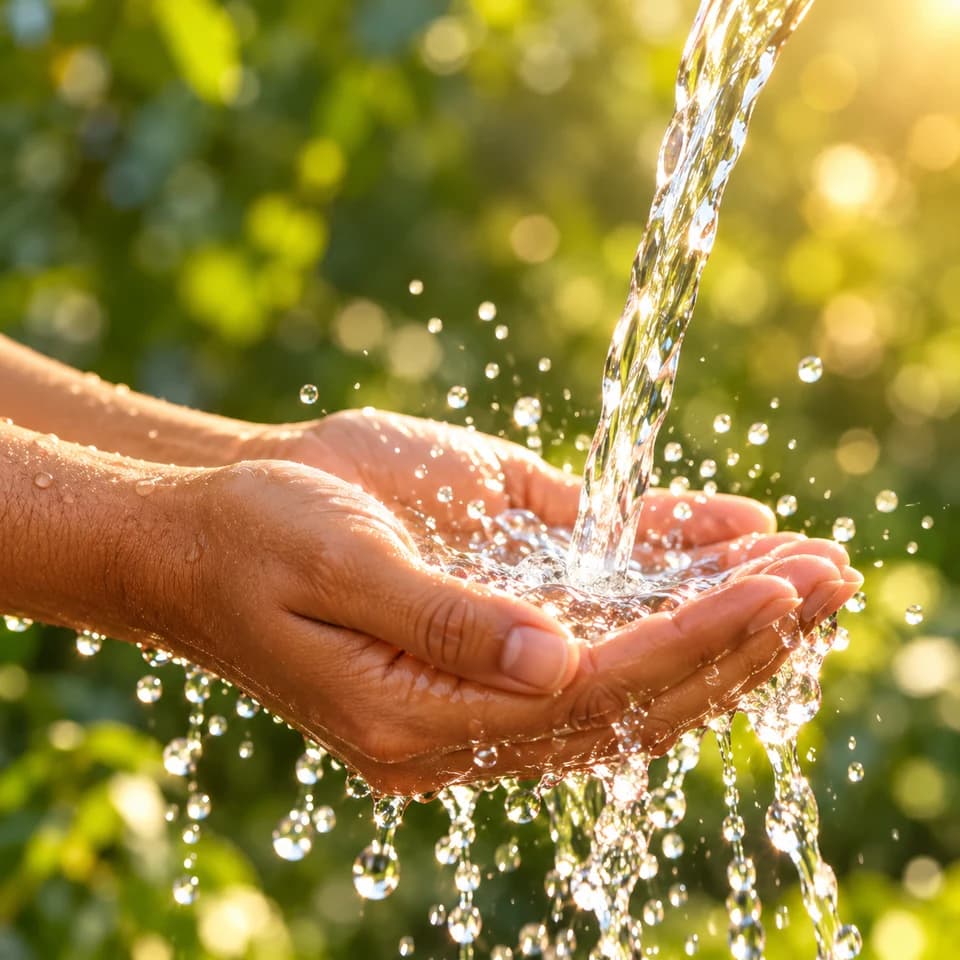
Jamshedi Navroz as it falls in 2028.
Next date: 21 March 2027Jamshedi Navroz 2028
Tuesday, 21 March 2028, in Ahmedabad
FestivalParsi
Panchang on the day
21
Tuesday
Waning Eleventh
until 00:14 next day
Capricorn
- ખKha
- જJa
- Sunrise
- 06:41
- Sunset
- 18:52
- Moonrise
- 03:41
- Nakshatra
- Shravana
- until 08:12 next day
- Yoga
- Shiva
- until 23:53
- Karana
- Bava
- until 10:53
- Rahu Kalam 15:49 to 17:21
- Yamaganda 09:44 to 11:15
- Abhijit muhurat 12:22 to 13:11
Why this date
Every year on 21 March
In short
Jamshedi Navroz is the spring New Year celebrated by many Parsis and Zoroastrians and is associated in Persian tradition with the legendary king Jamshid.
The story
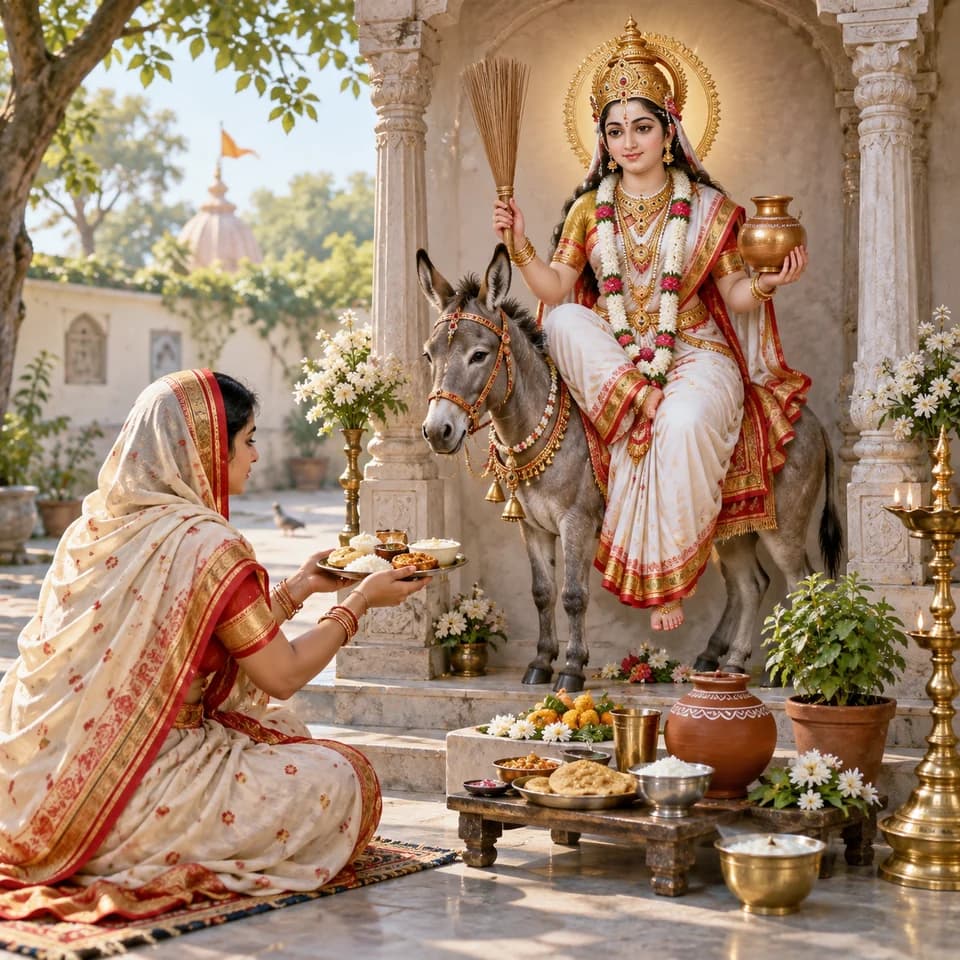
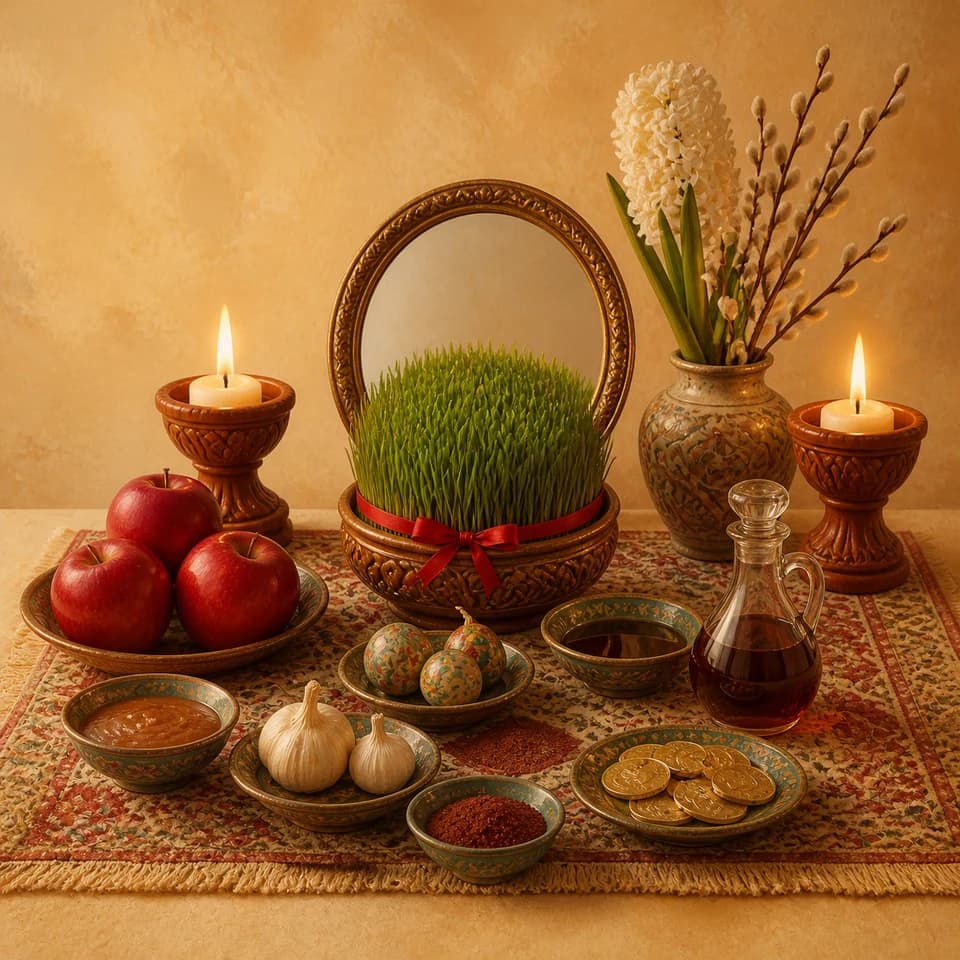
Jamshedi Navroz is the spring New Year celebrated by many Parsis and Zoroastrians and is associated in Persian tradition with the legendary king Jamshid. The festival coincides with the vernal equinox, when day and night are nearly equal, making the renewal of nature an important part of its symbolism. Later Persian literature credits Jamshid with establishing a glorious new day of order, prosperity and renewal, which is why the name ‘Jamshedi’ is widely used among Parsis. Before Navroz, homes are cleaned and decorated; people wear fresh clothes, offer prayers, visit fire temples where appropriate and gather for festive meals. Tables may be arranged with flowers, fruits and auspicious objects that evoke freshness and abundance. Families visit one another and give charity. Although Nowruz is celebrated by many peoples far beyond Zoroastrianism, Jamshedi Navroz in Parsi life carries a distinct link with ancestral Persian heritage, gratitude for creation and the hope of beginning the year with good thoughts, good words and good deeds.
Persian epic tradition associates the day with King Jamshid, whose royal glory and renewed order symbolize a fresh beginning. This is a literary and cultural legend, not an independently dated historical coronation. Nowruz itself predates many surviving written accounts and is shared across Iranian and Central Asian cultures. Zoroastrian teaching gives special meaning to purity, gratitude and good thoughts, good words and good deeds.
The spring-equinox observance should not be confused with every Parsi community's religious new-year date. Fasli calendars remain aligned with March, while Shahenshahi and Kadmi calendars drift relative to the seasons and commonly place their own new years in other months. Families may visit fire temples, pray and share festive meals, but the haft-sin table is more characteristic of Iranian Nowruz than of every Indian Parsi household. The existing fixed 21 March rule is a convention, not a precise astronomical calculation for every location.
Why it matters
Welcomes the spring renewal associated with the legendary King Jamshid and celebrates gratitude, hospitality and the Zoroastrian ethic of good thoughts, words and deeds.
What people do
Household cleaning, festive clothes, prayers and visits where customary, shared meals and hospitality. Foods and decorations vary between Indian Parsi and Iranian families; no single menu is obligatory.
Told differently elsewhere
Spring Jamshedi Navroz is observed around 20–21 March in Indian Parsi and wider Iranian traditions. It must be distinguished from Shahenshahi and Kadmi religious new-year dates; equinox timing varies by location.
Questions people ask
- When is Jamshedi Navroz in 2028?
- On Tuesday, 21 March 2028 in India.
Dates in the coming years
- 2027Sunday, 21 MarchFagan Sud 14
- 2028Tuesday, 21 MarchFagan Vad 11
- 2029Wednesday, 21 MarchLeap Chaitra Sud 6
- 2030Thursday, 21 MarchFagan Vad 2
- 2031Friday, 21 MarchFagan Vad 13
Last kept21 March 2026