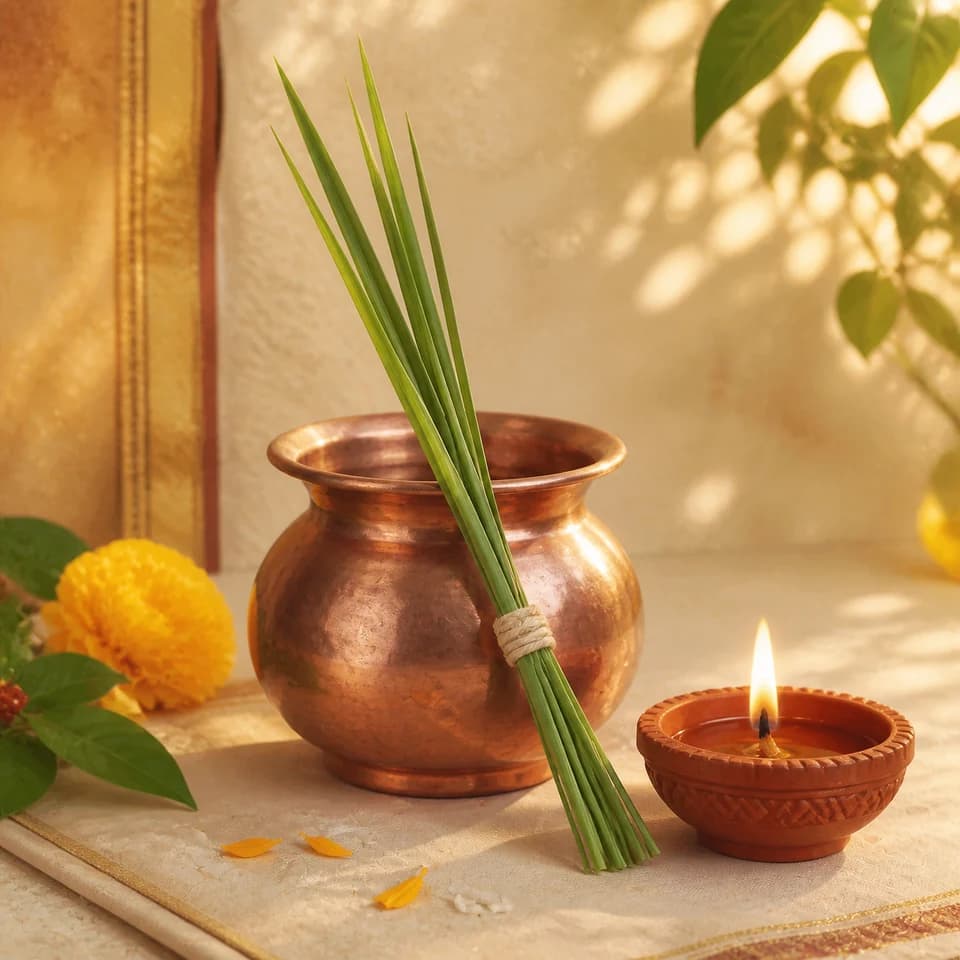
Samvatsari as it falls in 2044.
Next date: 4 September 2027Samvatsari 2044
Friday, 26 August 2044, in Ahmedabad
FestivalJain · Svetambar
Panchang on the day
26
Friday
Waxing Fourth
until 23:48
Virgo
- પPa
- ઠTha
- ણNa
- Sunrise
- 06:19
- Sunset
- 19:03
- Moonrise
- 09:21
- Nakshatra
- Hasta
- until 15:55
- Yoga
- Shubha
- until 22:39
- Karana
- Vanija
- until 12:05
- Rahu Kalam 11:05 to 12:41
- Yamaganda 15:52 to 17:27
- Abhijit muhurat 12:15 to 13:06
Why this date
Bhadrapad Waxing Fourth, taken at sunrise
Runs from 26 Aug 00:33 IST to 26 Aug 23:48 IST.
In short
Samvatsari concludes Shvetambara Jain Paryushan with annual pratikraman, self-examination and the request for forgiveness expressed as Micchami Dukkadam. Observance dates can differ among Shvetambara traditions; Digambara Kshamavani is related but distinct.
The story
Samvatsari is the culminating day of Shvetambar Jain Paryushan and is centred on repentance and universal forgiveness. Jains perform an extended pratikraman, reviewing actions, words and intentions that may have caused harm during the year. The distinctive practice is to ask forgiveness not only from family and friends but, in principle, from all living beings, acknowledging that harm can occur knowingly or unknowingly. The phrase ‘Micchami Dukkadam’ expresses the wish that one's faults and hurtful actions become fruitless and forgiven. This is not meant as a casual greeting; its force comes from self-examination, humility and the willingness to change conduct. Samvatsari turns forgiveness into a two-way discipline—seeking pardon without defensiveness and releasing resentment toward others—so that the new spiritual cycle begins with lighter relationships and greater awareness of ahimsa.
The day concludes the Shvetambara Paryushan period, when monastic teachings, scriptural recitation and lay self-discipline receive special attention. Annual pratikraman is not merely a recital: participants reflect on avoidable injury to living beings, dishonesty, anger and attachment, and resolve to act differently. Asking Micchami Dukkadam is meaningful only when accompanied by humility and an effort to repair relationships. Shvetambara Murtipujak, Sthanakvasi and Terapanth communities can differ on whether Samvatsari is observed on Bhadrapada Shukla Chaturthi or Panchami. Digambara Kshamavani is a related forgiveness observance but not simply the same festival on another date.
The observance is especially important because it turns the Jain principle of ahimsa into a practical review of everyday relationships. Participants consider not only deliberate wrongdoing but carelessness in speech, consumption and treatment of living beings. The customary request for forgiveness does not excuse repeated harm: where possible, it should be followed by changed behaviour and restitution. The day is part of the Shvetambara annual cycle; its sect-specific scheduling should be verified rather than silently mapped to Digambara Kshamavani.
Why it matters
The culminating Shvetambara Jain Paryushan day of self-examination, pratikraman, nonviolence and seeking forgiveness from all beings.
What people do
Extended annual pratikraman, scriptural reflection, voluntary fasting and sincere Micchami Dukkadam requests; practices differ by sect and household.
Told differently elsewhere
Especially Shvetambara communities in Gujarat, Rajasthan and diaspora; Digambara Das Lakshana and Kshamavani have related but distinct timing.
Questions people ask
- When is Samvatsari in 2044?
- On Friday, 26 August 2044 in India. Runs from 26 Aug 00:33 IST to 26 Aug 23:48 IST.
- Why does the date change every year?
- It is kept by the lunar calendar, so its day on the civil calendar moves from year to year.
- Is the date the same everywhere?
- Yes. It is kept everywhere on the day it falls on in India.
Dates in the coming years
- 2027Saturday, 4 SeptemberBhadrapad Sud 4
- 2028Wednesday, 23 AugustBhadrapad Sud 4
- 2029Tuesday, 11 SeptemberBhadrapad Sud 4
- 2030Sunday, 1 SeptemberBhadrapad Sud 4
- 2031Saturday, 20 SeptemberBhadrapad Sud 4
Last kept15 September 2026