Chapchar Kut
RegionalIndia · North-East
No rule yet
Nobody has written a rule for this observance yet, so the calendar does not put it on a day. A name with a made-up date beside it would be worse than a name on its own.
In short
Chapchar Kut is one of Mizoram’s most important community festivals and is traditionally linked with the agricultural stage after jungle vegetation has been cut for jhum cultivation and is left to dry before burning.
The story
Chapchar Kut is a major spring festival of the Mizo people, arising from the seasonal rhythm of jhum or shifting cultivation. After forest vegetation has been cut and left to dry, and before the next demanding stage of cultivation, villages traditionally find time to gather and celebrate. The occasion is not based on a single divine birth or battle; its background lies in shared labour, hospitality and community relationships.
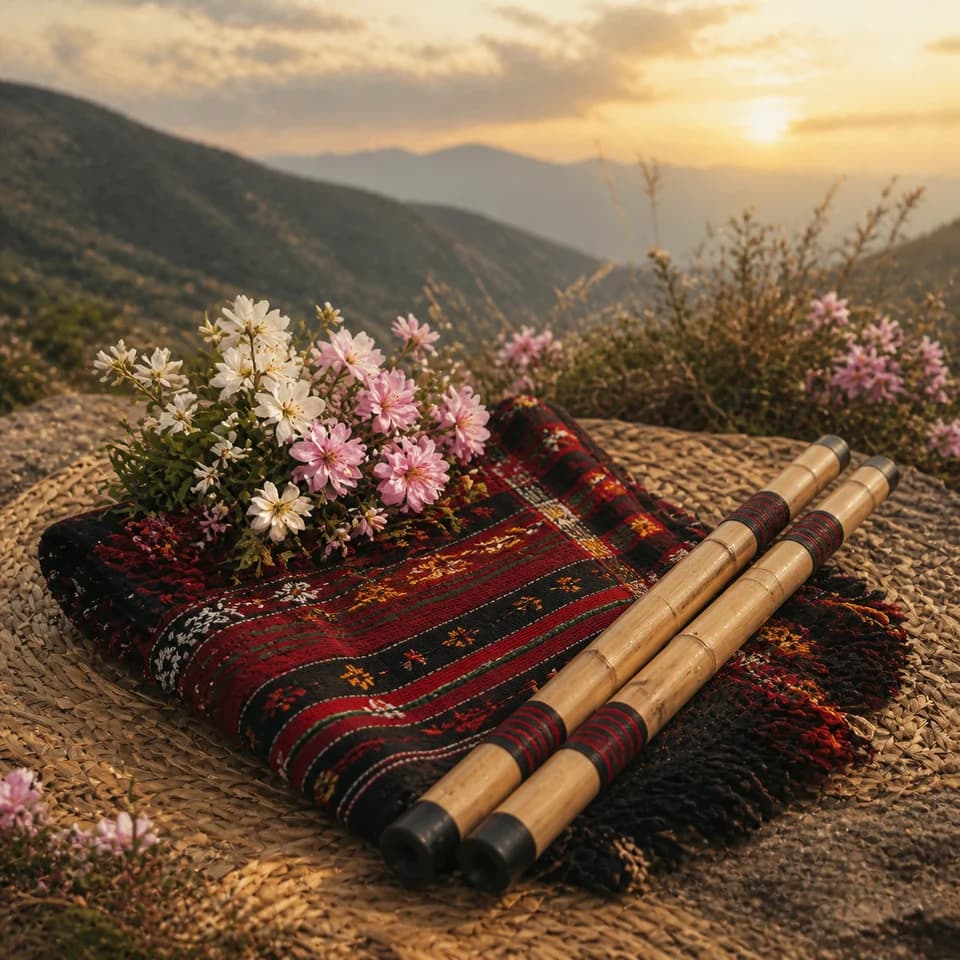
The festival's public life includes colourful traditional clothing, drums and gongs, songs and dances. Cheraw, often called the bamboo dance, requires dancers to move in rhythm while others open and close bamboo poles. Other dances and community performances express the diversity of Mizo traditions. Modern Chapchar Kut has been revived and organised as a celebration of cultural identity after periods when older festivities had declined.
Mizoram Tourism describes it as generally celebrated in the first week of March, often on the first Friday, rather than a lunar-tithi festival. The database currently has no date rule, and the official announced date should govern each year's listing. Celebrations today can also encourage environmental awareness and respect for the people whose farming practices shaped the tradition.
Why it matters
Chapchar Kut is significant to the community that observes it and helps preserve religious, family and cultural continuity.
What people do
Cheraw, the bamboo dance, in which the dancer steps between poles clapped together in rhythm by people sitting on the ground. Traditional dress, choral singing and the tribal games, held mainly at Aizawl. It is the oldest of the Mizo festivals still kept.
Told differently elsewhere
Mizoram, in March, and the oldest of the Mizo kuts - Mim Kut and Pawl Kut fall later in the year and mark the maize and the harvest. Kept now as a state cultural festival as much as a village one.