Hemis Festival
FairBuddhist
No rule yet
Nobody has written a rule for this observance yet, so the calendar does not put it on a day. A name with a made-up date beside it would be worse than a name on its own.
In short
The Hemis Festival, or Hemis Tsechu, is one of Ladakh’s best-known Buddhist monastic celebrations and is held at Hemis Monastery in honour of Guru Padmasambhava, revered for helping establish Vajrayana Buddhism in Tibet and the Himalayan region.
The story
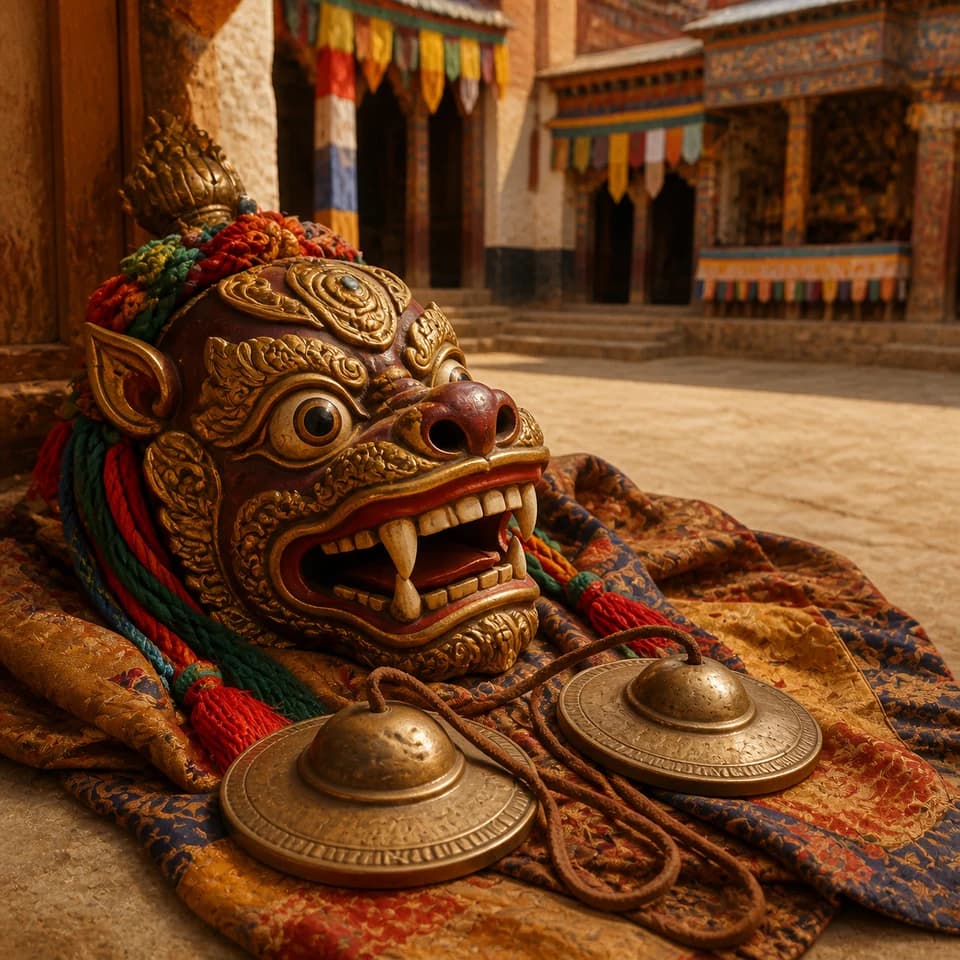
The Hemis Festival, or Hemis Tsechu, is one of Ladakh’s best-known Buddhist monastic celebrations and is held at Hemis Monastery in honour of Guru Padmasambhava, revered for helping establish Vajrayana Buddhism in Tibet and the Himalayan region. The monastery courtyards become the stage for masked cham dances performed by monks in elaborate costumes. These ritual dances portray protective deities, the overcoming of harmful forces and the Buddhist teaching that ignorance and attachment can be transformed through wisdom. Long horns, cymbals and drums accompany the performances, while sacred images and ritual objects are displayed for devotees. In particular years a great thangka of Padmasambhava is ceremonially shown. Pilgrims and visitors gather not only for spectacle but also to receive blessings and hear teachings. Hemis Tsechu thus combines devotion, monastic ritual, sacred theatre, music and Ladakh’s living Himalayan Buddhist heritage.
Padmasambhava, also called Guru Rinpoche, is revered in Tibetan Buddhist tradition for spreading Vajrayana teachings and overcoming obstacles to their practice. The eight manifestations shown in Hemis performances are religious images expressing different aspects of compassionate activity, not a sequence of independently verified historical battles. The cham dancers undergo ritual preparation and perform within a monastic discipline rather than as ordinary theatrical entertainers.
Hemis Tsechu is traditionally observed on the tenth day of the fifth Tibetan lunar month, often during June or July. The festival usually spans two days, while special displays such as the great thangka depend on the monastery's established cycle. Pilgrims may circumambulate sacred spaces, offer prayers and support the monastery. Visitors should respect restrictions on photography and the sanctity of the dances; the date needs a Tibetan calendar, not a Hindu tithi.
Why it matters
Honours Guru Padmasambhava and Ladakh's living Vajrayana Buddhist traditions through monastic cham dances, devotion and teaching.
What people do
Monks perform ritually prepared masked cham dances with horns, cymbals and drums; pilgrims pray and attend ceremonies. Special thangka displays occur according to the monastery's own cycle, which requires confirmation.
Told differently elsewhere
Held at Hemis Monastery in Ladakh around the tenth day of the fifth Tibetan lunar month. Dates and any special thangka display must be confirmed with the monastery's annual programme.